By EasyLink · Published
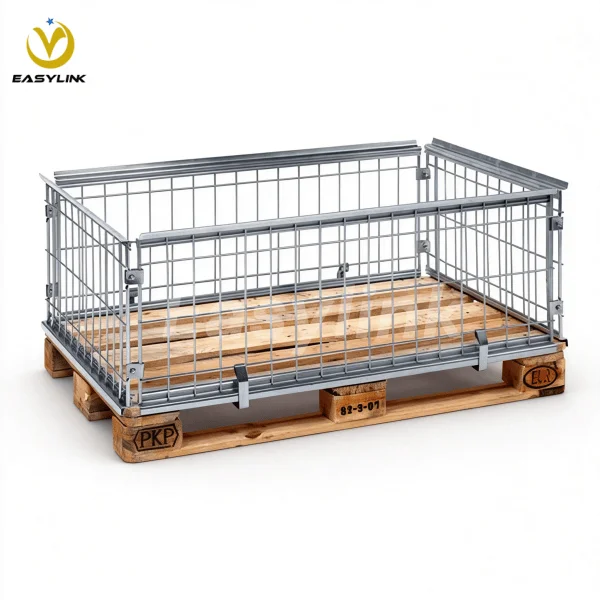
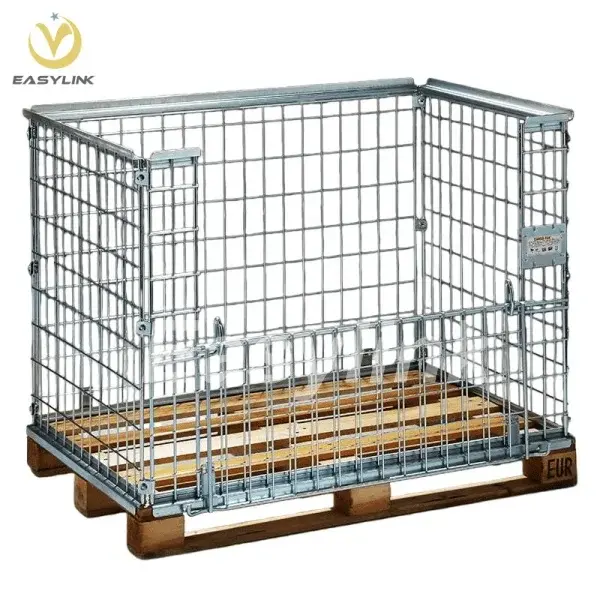
Pallet cage selection depends on base compatibility, load containment and handling access. Confirm these requirements for the pallet, goods and equipment used throughout the handling cycle.
Match the cage and its base
Check whether the model has an integral base or fits a separate pallet. For a separate pallet, confirm its dimensions and the way the cage attaches. Similar outside dimensions do not guarantee a suitable fit.
Check the smallest item
Compare mesh openings and gaps with the smallest part or package. Include any liner or divider needed to retain the goods. Check usable internal height and width after these additions.
Make access part of the choice
Consider how goods enter the cage and how operators remove them. A front opening can make side access possible, but its position must suit the workstation. Confirm how the gate closes before the unit is moved.
Describe load and storage conditions
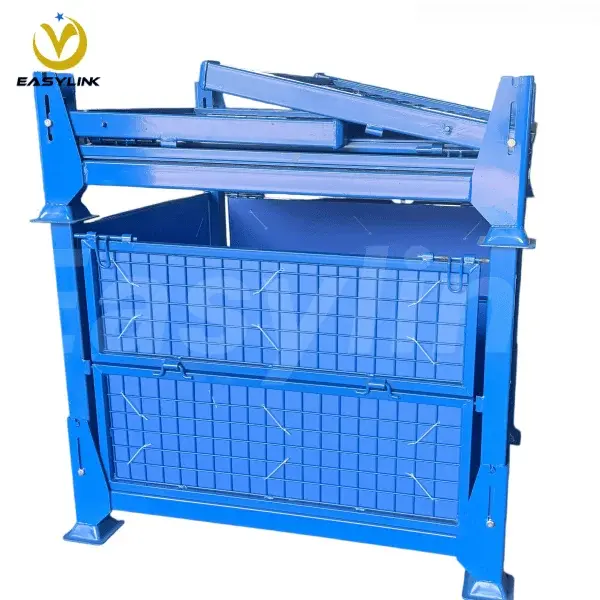
Provide the total load, its distribution and the handling method. If stacking is required, ask for the approved arrangement for the particular cage and base. For empty returns, compare whether the cage folds or dismantles and how its parts are kept together.
Compare wire pallet collars with wire mesh containers, then request a quote with your pallet size, goods details and quantity.