
By EasyLink · Published
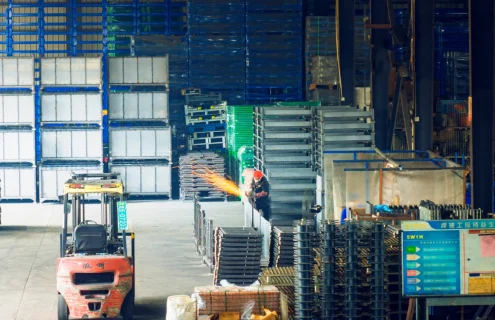
An equipment enquiry should define the goods, load, handling process and delivery requirements. These details form the basis for product selection and a comparable quotation.
Describe the goods
Start with the goods. Measure their overall length, width and height, including packaging or any parts that extend beyond the main footprint. State the weight of one item and the intended total load in each container or rack. Explain where the goods need support and whether they can touch the walls or other items. Keep goods dimensions separate from the outside dimensions of the equipment.
Explain loading and handling
Describe loading and unloading. Note whether operators, forklifts or other equipment will handle the goods. Include the direction of access and any restrictions around the loading area. For a roll container, describe the travel route and floor conditions. For a pallet or stillage, explain the intended fork entry and how the unit will be supported during storage.
Define the storage environment
Explain the storage environment. Include indoor or outdoor use, exposure to moisture and any cleaning requirements. State whether loaded units will remain on the floor or be arranged in another way. If stacking is needed, describe the proposed arrangement rather than assuming that a single-unit load rating defines the stacking limit.
Include order and delivery details
Provide the order quantity, delivery destination and requested delivery date. If repeat orders are planned, list the first order and expected subsequent quantities separately. Confirm the delivery schedule when reviewing the quotation.
Add a product reference
Finally, add a reference. A model number, catalogue page or existing container photograph can help identify the starting configuration. Use the quote form for the initial description and share drawings in the follow-up email. Before ordering, check that the agreed specification and quotation cover the same dimensions, load conditions, finish and quantity.